Posted on 02/10/2026
Kensington and Chelsea council rules for Portobello stalls: a practical guide for traders and market sellers
If you are trying to make sense of Kensington and Chelsea council rules for Portobello stalls, you are probably dealing with one of two situations: you want to trade at Portobello Road, or you need to check whether an existing stall is actually operating within the right local rules. Either way, the details matter. A market pitch can look simple from the outside, but the permissions, conditions, timing, and day-to-day expectations can be surprisingly specific.
That is especially true in West London, where Portobello has a strong identity, a busy flow of visitors, and a long-running mix of antiques, fashion, food, and specialist stalls. In this guide, we break down the rules in plain English, show you how the process tends to work in practice, and help you avoid the sort of mistakes that can cause stress for no good reason. Truth be told, most problems come from small misunderstandings rather than big scandals.
You will also find a step-by-step checklist, a simple comparison table, practical examples, and a FAQ section covering the questions people actually ask. If you are planning ahead, that calm bit of preparation can save a lot of back-and-forth later.
- Why the rules matter
- How the system works
- Benefits of getting it right
- Who needs this guidance
- Step-by-step guidance
- Expert tips
- Common mistakes
- Tools and resources
- Compliance and best practice
- Options and comparison
- Real-world example
- Practical checklist
- Conclusion
- Frequently asked questions
Why Kensington and Chelsea council rules for Portobello stalls Matters
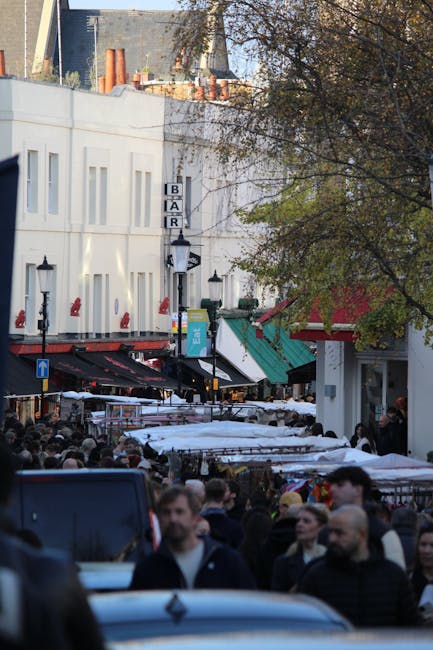
Portobello is not a casual pop-up environment where everything is left to chance. The street is busy, the footfall is high, and the market area has to balance trader opportunity with public access, safety, neighbour concerns, and the practical reality of operating on a narrow, well-known London road. That is exactly why Kensington and Chelsea council rules for Portobello stalls are worth understanding before you move a single crate.
The council's role is not just to "allow or disallow" trade. It is to manage a shared public space. That means rules may affect where you can trade, what you can sell, how you display goods, when you can set up, how much space you may use, and how you behave if issues arise on the day. The details can feel a bit tedious, yes. But the small print is where a lot of trouble starts.
For a trader, these rules matter because they influence three big things:
- Whether you can trade at all in the way you intend.
- How stable your pitch is from week to week.
- How professionally you are seen by visitors, neighbours, and market management.
There is also a reputational side. A tidy, compliant stall usually gets a better reception than a rushed setup that blocks passage or ignores basic conditions. On a busy Saturday morning, when the street is humming and shoppers are stopping for a look, those little details are visible to everyone.
Practical takeaway: if you treat the rules as part of your trading strategy, not as an obstacle, you are much more likely to keep trading smoothly and avoid last-minute problems.
How Kensington and Chelsea council rules for Portobello stalls Works
The exact operational details can change over time, so the safest approach is to think in terms of the general framework rather than assuming one fixed formula. In practice, market rules at Portobello usually revolve around authorisation, trader behaviour, pitch allocation, and site management. You may need permission for the type of stall you want, and you may also need to comply with site-specific conditions once you are there.
1) Permission and eligibility
Most stallholders need to be properly authorised before trading. Depending on the pitch and the goods being sold, this may involve an application, checks, references, insurance, or compliance with wider trading requirements. Some pitches are more specialised than others. A stall selling antiques, for example, may be handled differently from one offering food or crafts. That can sound obvious, but it catches people out all the time.
2) Pitch rules and location control
Portobello is not one big open space where anyone can set up anywhere. Pitch location matters. The council and market operators may control where stalls go, how much frontage is allowed, and how wide pedestrian routes must stay. You should think of the pavement and road as shared space first, trading space second. If your rails, crates, or signage spread too far, you may be asked to adjust.
3) Trading days and set-up windows
Markets tend to run to tight routines. That often means specific arrival times, set-up windows, and clear expectations about when goods must be removed. If you arrive late, you may lose the easiest window for setup; if you stay too long, you may inconvenience cleaning, loading, or the next shift of activity. It is a bit like train platforms at rush hour: the system works only when everyone keeps moving sensibly.
4) Conduct, safety, and public access
Rules normally cover safe displays, obstruction, waste management, and general conduct. You may need to keep walkways clear, secure your stock, and prevent trip hazards. In a crowded market, one wobbling sign or loose box can become everyone's problem very quickly. Let's face it, nobody wants a stall to become the thing people are stepping around for the next hour.
5) Enforcement and review
If a stall does not comply, the response may range from a warning to a requirement to move, reduce stock, or stop trading. Repeated issues can affect future access. The key point is that compliance is not just about legal tidy-ness; it is about protecting your right to keep trading and keeping the market workable for everyone else.
Key Benefits and Practical Advantages
When a trader understands the Portobello rules properly, the benefits go beyond simply avoiding trouble. Good compliance actually makes trading easier. A well-managed stall is quicker to set up, simpler to run, and far less likely to draw complaints.
- More predictable trading days: You know where you stand, which means less scrambling and fewer surprises.
- Better customer confidence: Shoppers notice professionalism, even if they cannot put their finger on why.
- Less risk of enforcement issues: Staying within the rules reduces the chance of being told to move or modify your pitch.
- Smoother relations with other traders: Market spaces are social spaces. A considerate stallholder tends to have an easier time.
- Stronger brand reputation: In a place as visible as Portobello, reputation spreads quickly. That can work in your favour.
There is also a commercial upside that people sometimes overlook. If you can operate without friction, you spend less mental energy on admin and more on selling. And selling, after all, is the point. Not chasing paper trails on a damp Tuesday morning.
A lot of traders discover that once they get the basics right, the whole market experience feels more relaxed. A tidy pitch, a clear display, and a decent understanding of the local rhythm can make a real difference.
Who This Is For and When It Makes Sense
This guide is useful if you are any of the following:
- a new trader hoping to secure a stall at Portobello
- an existing stallholder checking whether your setup still fits the local rules
- a seasonal seller testing whether market trading is the right route
- a business owner comparing market trading with a fixed shopfront
- a brand, maker, or dealer wanting visibility in a high-footfall London location
It also makes sense if you are planning around a special trading period, a one-off event, or a category of goods that may need extra attention. Food, antiques, clothing, fragile items, and branded goods often raise different practical questions. The earlier you look into those, the better.
For some people, the rules are mainly a barrier to entry. For others, they are a filter that helps keep the market professional. Both views are fair. What matters is that you know what you are stepping into before you pay money, transport stock, or promise customers something you cannot actually deliver.
If you are still in the decision stage, a helpful parallel is to think about how carefully you would choose a flower arrangement for an important occasion. You would not pick blindly. You would want something suitable, reliable, and well put together. The same logic applies here, just with a lot more tape measures and no ribbon.
Step-by-Step Guidance
Here is a straightforward way to approach Kensington and Chelsea council rules for Portobello stalls without getting lost in the noise.
Step 1: Confirm what kind of stall you want
Start with the basics. What will you sell, and how will you trade? A covered stall, table display, portable rail, or specialist stand may each be treated differently in practice. Be precise. "General goods" is not much of a plan.
Step 2: Check whether your pitch type is available
Portobello is not unlimited space. Availability can depend on the day, market section, and category. Some stalls are closely tied to longstanding trading patterns. Others may be more flexible. Before buying stock or printing signage, make sure the pitch you want is actually realistic.
Step 3: Understand the conditions attached to the pitch
Once you know the pitch type, look at what comes with it. Typical conditions may relate to size, trading hours, waste, display layout, insurance, and behaviour. This is the point where a lot of people skim too fast. Don't. Slow down and read properly.
Step 4: Prepare your documents and practical setup
You may need proof of identity, trading details, public liability insurance, or other supporting information. On the practical side, think through your stall layout, stock transport, packaging, and signage. If your first setup is messy, the day becomes harder than it needs to be.
Step 5: Plan for arrival, loading, and departure
Market trading is not just the selling window. It includes getting in, getting out, and not causing disruption while you do either. Think about transport, carrying stock, and how long it will take you to build the stall without blocking others. That buffer matters more than you think.
Step 6: Keep the stall tidy throughout the day
Good traders do not just look neat at 9:00 a.m. They stay tidy at 1:00 p.m. too. Re-stack items, clear litter, keep aisles open, and watch for weather changes. A gust of wind can turn a display from elegant to chaotic in ten seconds flat.
Step 7: Review how the day went and adjust
After your first few sessions, review what worked. Did customers stop where you hoped? Was the pitch too crowded? Did a sign block sightlines? Small adjustments can improve both compliance and sales. It is usually the small tweaks, not the giant rebrand, that make the difference.
Expert Tips for Better Results
Here are a few practical tips that make life easier in a busy market setting.
- Measure everything twice: Stall space can look bigger in the van than it does on the street.
- Use display furniture that is easy to pack down: Quick setup and quick exit are both valuable.
- Keep a simple compliance folder: Insurance, contact details, and any approvals should be easy to reach.
- Think about weather from the start: Rain covers, weights, and secure signage are not optional extras in London.
- Make your front table readable in a glance: Customers decide fast. Sometimes very fast.
- Be courteous to neighbouring traders: A little space awareness goes a long way.
One small, very human tip: arrive with enough time to breathe. A rushed setup is usually where silly mistakes happen. You forget a weight, overlook a sign, or block your own access. Been there, and it is never a good feeling.
Also, if you are unsure about one rule, ask before trading rather than hoping nobody notices. Hope is a lovely thing in some contexts. Compliance is not one of them.
Common Mistakes to Avoid
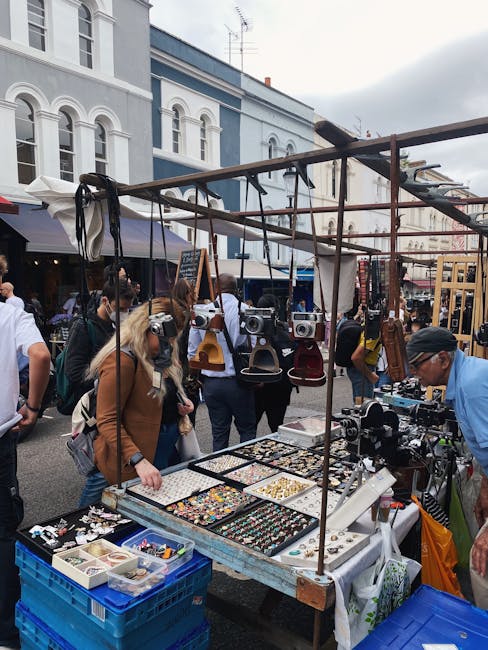
Most Portobello stall problems are not dramatic. They are ordinary, avoidable errors that build up into frustration.
- Assuming the same rules apply to every pitch: They often do not.
- Bringing too much stock or equipment: Crowding your own pitch can make compliance harder.
- Ignoring pedestrian flow: The public still needs to move around you comfortably.
- Turning up late without a backup plan: Market timing is unforgiving.
- Leaving waste behind: That damages your reputation very quickly.
- Using signage that is hard to secure: Wind, rain, and busy footfall are a messy combination.
- Assuming verbal permission is enough: Always know what has actually been agreed.
A subtle but important mistake is treating the rules as a one-time hurdle instead of an ongoing part of trading. A stall can be compliant at setup and then drift out of compliance after two hours of sales activity. That is why regular checks matter.
Tools, Resources and Recommendations
You do not need fancy equipment to run a compliant stall, but a few practical tools make a real difference.
- Folding tables and racks that are easy to position within a fixed pitch
- Weights and fastenings to prevent movement in wind or crowd pressure
- Weather covers for stock, especially in changeable London conditions
- Clear price labels so customers understand what they are looking at
- Checklist notes for opening and closing the stall
- Storage tubs or crates that help keep overflow organised
If you run more than one trading location, keep separate notes for each site. Portobello should not be treated like a generic market. The local rhythm, access patterns, and expectations can differ enough to justify their own setup list.
For related service and product pages that may be useful if you are also presenting goods or planning occasions, you can look at the Notting Hill florist page, flower delivery in Notting Hill, and the about us page. Those are not market permits, of course, but they can help you understand the wider local business context and service standards.
Law, Compliance, Standards, or Best Practice
This part deserves careful wording. The legal and administrative framework around Portobello stalls can involve council rules, market conditions, trading permissions, public space management, and wider legal duties that apply to businesses in London. Because rules can change and can also depend on the pitch, the goods sold, and the operator's arrangements, it is sensible to treat any online summary as a starting point rather than a final answer.
From a best-practice point of view, the most important ideas are simple:
- Operate within the permission you have, not the permission you think you have.
- Keep evidence of approvals and insurance where relevant.
- Stay within your pitch boundaries and keep pedestrian space open.
- Follow any trading-hour and set-up conditions that apply to the market.
- Dispose of waste properly and leave the area tidy.
- Be ready to adapt if conditions change or staff give operational instructions.
In practical terms, compliance is not just a legal issue. It is also a trading standard. Customers generally trust stalls that look organised, safe, and well managed. That trust can be worth more than a flashy display that only works for ten minutes.
If your stall involves higher-risk goods, breakables, food, or anything that raises public safety questions, take extra care. The exact requirements may vary, but the habit should be the same: check, confirm, document, then trade.
Options, Methods, or Comparison Table
If you are deciding how to approach Portobello trading, it can help to compare your options in simple terms. The right choice depends on your stock, budget, and how much operational complexity you can handle.
| Approach | What it suits | Pros | Trade-offs |
|---|---|---|---|
| Fixed market stall | Regular traders with repeat stock | More consistent presence, easier branding, easier routine | Less flexibility, may require clearer compliance and setup discipline |
| Portable or lightweight setup | Sellers with small stock volumes or seasonal items | Quick to pack, easier transport, lower logistical strain | Limited display space, can look sparse if not planned well |
| Specialist display | Antiques, curated fashion, collectables, or niche goods | Strong identity, easier storytelling, better visual impact | May need more careful organisation and category-specific awareness |
| Occasional trading approach | Trial sellers testing demand | Lower commitment, easier to learn the market | Less predictable income and less routine familiarity |
If you are unsure where you fit, start with the least complicated model that still lets you trade properly. There is no heroism in overloading yourself with stock, signage, and equipment you do not yet need.
Case Study or Real-World Example
Imagine a small trader who wants to sell curated vintage homeware at Portobello. The first instinct is often to focus on the goods themselves: the brass tray, the ceramic vase, the stack of linen, all carefully chosen. Fair enough. But the real success of the day depends on how the stall works in the space.
In the early version of the setup, the table is too wide, the price labels are too small, and the stock sits in three loose piles. Customers stop, but they do not stay. More importantly, the stall edges slightly into the walking route, which makes it awkward for people passing with bags or prams. A market manager notices and asks for a reset.
After that, the trader makes three changes: the display is narrowed, signage is clearer, and overflow stock is tucked underneath in neat crates. The result is boring in the best possible way. The stall looks calmer, the walkway stays clear, and customers can see the product range immediately. Sales improve. Stress drops. Everyone wins.
That is the thing about market compliance. It often feels restrictive right up until you see how much easier trading becomes when the basics are sorted.
Practical Checklist
Use this checklist before your next trading day at Portobello.
- Confirm your pitch permission or trading approval
- Check any conditions attached to your stall
- Measure your display equipment and transport space
- Pack weather protection and stable weights
- Prepare clear pricing and signage
- Bring waste bags and a plan for clean-up
- Keep documents accessible if asked for them
- Arrive with enough time for a calm setup
- Leave pedestrian routes clear at all times
- Review the day afterwards and note any issues
Quick sanity check: if your setup would annoy you as a shopper, it probably needs adjusting. That sounds simple, but it works.
Conclusion
Understanding Kensington and Chelsea council rules for Portobello stalls is less about memorising bureaucracy and more about building a stable, professional way to trade. Once you know the basics, the whole setup becomes easier to manage: your pitch is clearer, your days are calmer, and your risk of unnecessary problems drops away.
Portobello rewards traders who are organised, respectful of the space, and ready to work with the market rather than against it. That does not mean being perfect. It means being prepared, paying attention, and making sensible decisions before you arrive with stock in hand and a busy day ahead. In a market that lively, that thoughtful approach can make all the difference.
If you are comparing market trading with other ways of reaching local customers, it can also help to explore the wider service pages on the site, including flower shops in Notting Hill and the guarantees page, especially if you want to understand service standards and customer expectations in the area.
Get a free quote today and see how much you can save.
Frequently Asked Questions
Do I need permission to run a stall at Portobello?
In most cases, yes. Trading at Portobello is not usually a matter of simply turning up and placing a table on the pavement. You should expect some form of permission, authorisation, or pitch arrangement, depending on the type of stall and where you want to trade.
Are Portobello stalls the same every day?
No, not really. Portobello has a strong weekly pattern, but the exact trading conditions can vary by day, pitch area, and market activity. A setup that works on one occasion may not suit another location or time slot.
What happens if my stall is too big for the pitch?
You may be asked to reduce the display, move items, or adjust your layout. In a busy market, oversizing creates practical problems quickly, especially where pedestrian movement needs to stay clear.
Can I sell any type of goods I want?
Not safely assume that, no. Different goods can bring different expectations or rules. Food, antiques, specialist items, and branded stock may all need additional care or separate conditions. It is better to check first than to guess.
How early should I arrive to set up?
Arrive early enough to set up calmly without blocking others or rushing the process. The exact timing depends on your pitch and the market schedule, but giving yourself a margin of time is always wise.
What if the weather is bad on market day?
Then your setup needs to handle it. London weather can be changeable, and Portobello trading is no exception. Bring covers, weights, and a layout that will not collapse at the first gust of wind.
Do I need insurance for a stall?
That depends on the trading arrangement and what you are selling, but many traders treat insurance as a standard part of operating professionally. If you are dealing with stock, the public, or any higher-risk setup, it is sensible to check carefully.
What is the biggest mistake new stallholders make?
Usually it is underestimating the practical side of the day. People focus on what they want to sell and forget about space, access, stock security, waste, and timing. The stall then feels harder than it needs to be.
Can I share a pitch with someone else?
Possibly, but only if the arrangement is allowed and clearly understood. Shared pitches can work well, but they need simple rules, especially around space, money, and who is responsible for what.
How do I know if my layout is compliant?
Check your pitch conditions, measure your footprint properly, and make sure your display does not block access or create hazards. If anything feels borderline, assume it needs reviewing. Borderline is where headaches start.
What should I do if I am given an instruction on the day?
Follow it promptly, stay polite, and clarify any point you do not understand. Market operations often depend on quick adjustments, and a calm response usually works far better than an argument in the middle of the street.
Is Portobello suitable for a first-time trader?
Yes, if you prepare properly. It is a lively and visible trading environment, which is great for learning, but it also means you need to be organised. A first-timer who plans well can do very well there.