Notting Hill event floral permits: council guidance (W11)
Posted on 24/09/2026
If you are planning flowers for an event in Notting Hill, the permit side can feel a bit like the hidden part of the job nobody warned you about. The arrangements are the fun bit; the permissions, access rules, and council guidance are what keep everything from turning into a last-minute scramble. This guide on Notting Hill event floral permits: council guidance (W11) explains how the process usually works, why it matters, and what you should check before you book the van, brief the florist, or promise a dramatic entrance arch that might need more paperwork than petals.
Whether you are organising a wedding, brand launch, street-front activation, private party, or a pop-up installation, the aim is the same: get the flowers in place legally, safely, and with as little fuss as possible. Let's face it, the best event day is the one where nobody is standing around wondering who forgot to ask permission.
This article gives you a practical, local-minded overview of permits, access planning, risk points, and best practice in W11, plus a checklist you can actually use.
- Why Notting Hill event floral permits matter
- How the permit process works
- Key benefits and practical advantages
- Who needs this and when it makes sense
- Step-by-step guidance
- Expert tips for better results
- Common mistakes to avoid
- Tools, resources and recommendations
- Law, compliance, standards, or best practice
- Options, methods, or comparison table
- Case study or real-world example
- Practical checklist
- Frequently asked questions
Why Notting Hill event floral permits: council guidance (W11) Matters
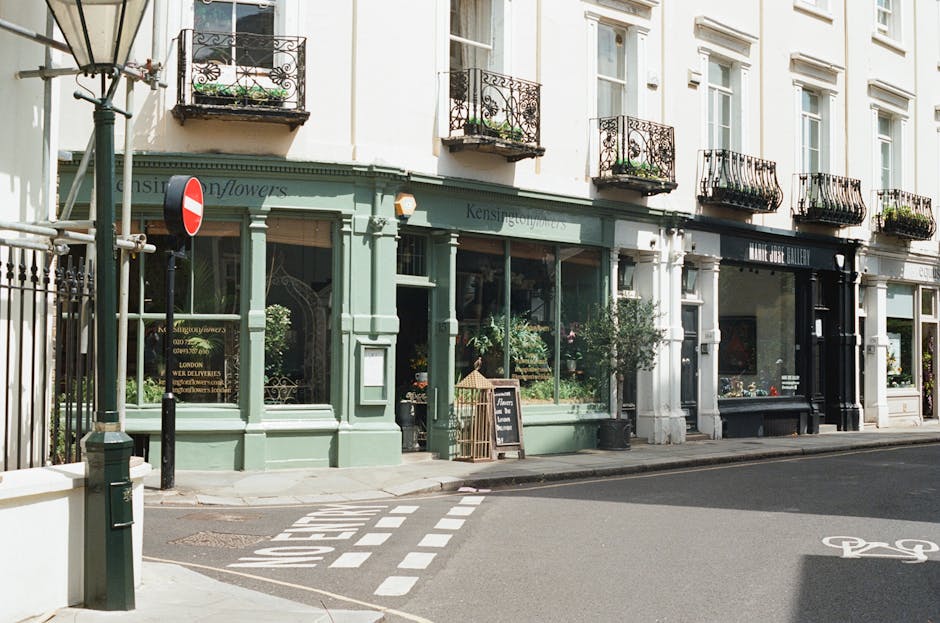
In Notting Hill, flowers often do more than decorate a room. They frame a shopfront, guide guests into a venue, soften a pavement entrance, or become the visual centrepiece of an entire event. That also means they can affect public space, access routes, loading activity, waste disposal, and sometimes even the look and feel of the street around them. Council guidance matters because it helps you understand where a floral display is simply a private decoration and where it becomes a placement, structure, or activity that may need consent.
W11 is busy, characterful, and, at times, a little tight for space. Streets can be narrow, footfall can be high, and nearby residents or businesses may notice a large installation very quickly. A floral feature that seems harmless in a studio mock-up can become complicated once it is outside, near a kerb, or attached to a frontage. That is where early checking saves you from awkward conversations on the day.
There is also a reputational point. Event teams are often judged on the visible details, but the invisible details matter just as much. If an installation is safe, tidy, and clearly approved, it gives a calm, professional impression. If it is blocking access or causing confusion, everyone feels it. And nobody wants to be that organiser explaining why a rose arch is currently being discussed by a parking warden.
One practical insight: most problems are not caused by the flowers themselves, but by what surrounds them - fixings, power, vehicle access, bins, barriers, or over-ambitious set-up times. Think of the permit question as part of the event design, not a separate admin chore bolted on at the end.
How Notting Hill event floral permits: council guidance (W11) Works
The exact permission path depends on what you are doing, where you are doing it, and how long it will stay in place. A small table arrangement inside a private venue usually sits in a completely different category from a large floral arch on a public pavement or a branded installation on a shop frontage. The council guidance you need is therefore less about one universal rule and more about the type of activity.
In practice, the process tends to involve a few layers:
- Location review - is the display indoors, on private land, on a frontage, or in a public area?
- Installation method - will it be freestanding, fixed, hung, nailed, tied, weighted, or temporarily attached?
- Duration - is it staying for an hour, a day, a weekend, or longer?
- Access impact - does it affect pedestrians, deliveries, disabled access, emergency routes, or neighbouring premises?
- Safety factors - will it need fire-safe materials, stable structures, weather protection, or regular checks?
That is the simple version. In reality, you may also need to coordinate with venue management, building owners, event producers, decorators, and sometimes other contractors such as signage or lighting teams. If you have ever seen three different suppliers all trying to use the same service entrance at 7:30 in the morning, you already know why this matters.
For weddings and private events, the permit issue is often easier if the florals stay within the venue boundary. For public-facing installations, expect more questions. Councils and property owners are generally looking for the same thing: no obstruction, no damage, no unexpected risk, and no mess left behind.
That means your floral plan should usually be backed by practical details: dimensions, fixing method, materials, set-up and take-down times, and who is responsible if the weather turns. A clear plan is what turns a pretty idea into something people will actually approve.
Key Benefits and Practical Advantages
Getting the permit and guidance side right is not just about avoiding trouble. It also makes the event better. When the admin is clean, the creative work tends to land better too.
- Fewer last-minute surprises - you know what can and cannot happen before the trucks arrive.
- Smoother scheduling - access windows, lift use, loading times, and install order can be planned properly.
- Better presentation - approved displays usually look more considered, because the team has had time to design around practical constraints.
- Less risk of disruption - you reduce the chance of blocking pavement, damaging property, or causing complaints.
- Stronger vendor coordination - florists, stylists, venue teams, and security all work from the same plan.
- More confidence on the day - and honestly, that calm feeling is worth a lot when guests are due in twenty minutes.
There is a commercial upside too. If you are organising branded florals for a launch or hospitality event, good compliance makes it easier to repeat the concept elsewhere. A well-documented setup can be reused, adjusted, and approved faster next time. That is especially useful for agencies and businesses that run seasonal campaigns or multiple activations across London.
To be fair, even a modest arrangement benefits from this thinking. A couple of stands of seasonal flowers, tastefully placed, can still create issues if they spill into a shared entrance or emergency access route. Small events are not exempt from common sense.
Who This Is For and When It Makes Sense
This guidance is relevant if you are planning any floral work in Notting Hill that interacts with the outside world in some way. That could be a lot of different people.
- Wedding planners managing ceremony arches, aisle florals, photo backdrops, or entrance pieces
- Event agencies producing brand activations, launches, press events, or pop-up experiences
- Venue managers coordinating decor for private functions or member events
- Independent florists asked to install larger arrangements in public-facing settings
- Retailers and cafes decorating shopfronts for seasonal events or promotions
- Private hosts who want something more elaborate than a standard table arrangement
It makes particular sense when your floral concept includes any of the following:
- a structure that stands outside
- anything attached to railings, signage, doors, walls, or windows
- an installation that could narrow foot traffic
- vehicle loading near a busy street
- set-up that starts early or finishes late
- real or artificial flowers used with props, frames, or branding elements
If the answer to any of those points is "probably yes," then permit and council guidance should be checked before the design is signed off. That sounds obvious, but in practice people skip this step all the time because the visual concept is so strong. The flowers arrive in the imagination before the permissions do.
Step-by-Step Guidance
The safest way to handle Notting Hill event floral permits is to work through the issue in order, not in a panic the week before. Here is a practical approach.
- Define the installation clearly
Write down exactly what is being installed, where it sits, how big it is, and how long it will remain. A sketch or layout note is better than a vague description. "Large floral feature near the entrance" is not enough. "2.2m freestanding floral arch on the right side of the venue entrance, installed at 08:00 and removed by 22:00" is much more useful.
- Check the site ownership and boundaries
Find out whether the flowers are entirely on private property, partly on a frontage, or in an area that might be shared or publicly accessible. This is where many people get caught out. A doorway can look private and still involve shared pavement space or access conditions.
- Speak to the venue or landowner early
Venue permission and council permission are not always the same thing. You may need both. Get the venue's written approval before doing anything else, especially if the work affects walls, doors, windows, or access routes.
- Assess access, safety, and timing
Ask who is bringing the flowers in, where the vehicle will stop, whether there is lift access, and how the team will move materials without blocking others. If weather is a factor, plan a backup. Wind and rain can change a lovely plan very quickly, and Notting Hill weather can be a bit dramatic. Not always, but enough.
- Prepare supporting details
Gather the information you are likely to need: dimensions, photos, materials, installation method, and any risk controls. For larger or more visible pieces, it can help to include a simple installation timeline.
- Confirm whether a permit, consent, or notification is needed
Different situations may require different forms of approval. Some need formal permission, some need a licence, and some simply need confirmation from the venue or property manager. If the display affects public space, assume the bar for checking is higher.
- Build in time for revisions
The first version of your floral design may not be the final one. It might need to be smaller, moved, weighted differently, or adapted so it does not interfere with access. That is normal.
- Document the final agreed plan
Keep one simple version of the agreed location, dimensions, timing, and responsibility list. On event day, that single reference point is gold.
At this stage, many teams also review other service details such as delivery timing and flower condition. If your event includes guest gifting or after-event bouquet handouts, you may also find the main flower delivery in Notting Hill W10 information useful when coordinating arrival windows and handover times.
Expert Tips for Better Results
Here are the things that tend to make the biggest difference in real-world installations.
- Keep the design honest - if a concept only works at full size when the whole pavement is empty, rethink it early. Beautiful, yes. Practical, maybe not.
- Measure everything twice - entrances, aisles, thresholds, and lift doors often look larger than they are.
- Use temporary fixing methods where possible - they are usually easier to approve and easier to remove cleanly.
- Leave breathing room - even a stunning arrangement should not feel like it is leaning into the path of every guest who passes.
- Match flowers to the setting - Notting Hill has a polished, slightly eclectic feel. Florals that are too heavy-handed can look out of place. A more tailored design often sits better.
- Plan for the "after" picture - where will the stems, wrapping, water containers, and offcuts go once the display is dismantled?
If the event is corporate, coordination matters even more. Teams that use floral decor repeatedly often benefit from standardised planning. For larger recurring events, it can be sensible to align with a reliable supplier relationship such as corporate accounts, especially where timing, billing, and repeat installations need a cleaner process.
One small but useful trick: take photos of the approved setup from the angle a guest will actually see. A plan that looks neat on paper can feel awkward in real life if the sightline is off. You will notice this instantly once you stand in the doorway with a clipboard and coffee, wondering why the arch now feels twice as wide as it did in the design meeting.
Common Mistakes to Avoid
Most avoidable issues with floral permits come down to overconfidence. The idea was good, so people assume the process will be simple. Sometimes it is. Often it is not.
- Assuming private property means no permission at all - venue rules, landlord consent, and access conditions may still apply.
- Forgetting about access routes - guests, staff, deliveries, mobility aids, and emergency access all need space.
- Leaving permission requests too late - a last-minute ask is much harder to solve than a clear early brief.
- Not accounting for weather - wind, rain, and heat can affect flowers, fixings, and safe placement.
- Using vague descriptions - "some flowers by the entrance" will not help anyone approve the plan.
- Ignoring removal responsibilities - every beautiful installation becomes a practical problem if no one owns the takedown.
- Overdecorating the wrong space - sometimes less is better, especially in narrow or highly trafficked areas.
A classic mistake is treating floral work as if it is separate from the rest of event logistics. It is not. Flowers may be the visible layer, but they sit on top of access, compliance, timing, safety, and venue rules. That stack matters.
Tools, Resources and Recommendations
You do not need a giant production system to manage floral permissions well. A few practical tools make life much easier.
- Site plan or floor sketch - even a simple marked-up diagram helps people understand the setup.
- Photo references - especially useful for frontages, entrances, and awkward corners.
- Measurement tape - old-fashioned, yes, but still one of the best tools in the bag.
- Install timeline - who arrives first, who follows, and when everything comes out again.
- Responsibility list - who approved, who installed, who checked, and who removed.
- Supplier notes - flower type, container weight, water requirements, and fixings.
If you are selecting flowers with practicality in mind, the product range matters too. For event entrances and formal occasions, styles such as wedding flowers in Notting Hill W10 can be a helpful reference point for proportion, finish, and presentation. For quicker-turnaround needs, a broader service like same-day flower delivery Notting Hill W10 can support last-minute event adjustments, although larger installs still need proper planning.
For lighter or more budget-aware events, it can also help to look at cheap flowers Notting Hill W10 as a practical benchmark for scale and style, even if your final event design sits in a more premium range. It is not about cutting corners; it is about understanding what is realistic for the brief.
Law, Compliance, Standards, or Best Practice
This is the section people tend to skip until the last minute, which is a shame because a bit of diligence here saves a lot of grief. While the exact requirements depend on the site and installation, the broad principle is straightforward: do not place floral displays in a way that creates risk, obstruction, damage, or confusion about responsibility.
Where an installation affects a public or shared area, it may engage council controls, property rules, and wider safety expectations. That can include temporary structures, access management, trip hazards, fire safety considerations, and keeping routes open for pedestrians and emergency services. If the display is indoors, the venue's own rules still matter - especially for fixed structures, candles nearby, or any decorative item that could impede movement.
Best practice in this context usually means:
- getting approval before installation
- documenting dimensions and fixing methods
- checking load-bearing and stability where relevant
- keeping exits and routes clear
- using materials suited to the venue and season
- removing all components promptly and cleanly
For events with a public-facing element, it is wise to think not just about what is allowed, but what looks responsible. Councils and venue operators often react better to a plan that is clearly considered, properly measured, and easy to manage. That is plain common sense, but it goes a long way.
If you are unsure whether your floral concept crosses from decoration into something that needs formal approval, treat that uncertainty seriously. Ask early. It is much easier to scale up a simple arrangement than to explain a blocked entrance after the fact.
Options, Methods, or Comparison Table
Different event floral setups create different permit and planning needs. Here is a simple comparison to help you decide how complex your project is likely to be.
| Option | Typical setting | Permit / approval pressure | Practical notes |
|---|---|---|---|
| Table florals | Indoors, private venue | Low | Usually venue-led; focus on timing, style, and waste control |
| Entrance arrangements | Doorway or reception area | Medium | Check access width, guest flow, and any venue restrictions |
| Freestanding arch | Ceremony space or frontage | Medium to high | Stability, wind, footprint, and approval wording matter |
| Street-facing display | Shopfront or public edge | High | May involve council guidance, frontage permissions, and access safeguards |
| Large branded floral installation | Launch or activation | High | Often needs more documentation and tighter logistics |
There is no prize for making the display more complicated than it needs to be. If a simpler version still delivers the atmosphere, go with that. A well-placed arrangement with good proportions often photographs better than a huge structure squeezed into the wrong spot. Truth be told, not every event needs a floral sculpture the size of a small hatchback.
Case Study or Real-World Example
Here is a realistic example based on a common kind of W11 event.
A small brand team is planning a private evening launch in Notting Hill. They want a floral arch at the entrance, tabletop arrangements inside, and a few vase pieces near the welcome desk. On paper, it sounds straightforward. Then the site visit happens. The doorway is narrower than expected, the pavement is busy, and the only sensible loading point is shared with another building. Suddenly the arch is not just a design detail - it is a logistics question.
What worked best in this case was simple:
- the team reduced the arch footprint slightly
- they moved the installation window earlier
- they confirmed the venue was comfortable with the final position
- they kept the pavement clear and used a stable freestanding base
- they arranged a tidy takedown after guests left
The result was calm, polished, and entirely unremarkable from a compliance point of view - which is exactly what you want. No drama. No awkward debates with the door staff. No one standing in the rain trying to shift a floral frame while holding an umbrella in one hand and a phone in the other.
That sort of success is usually not about a genius creative flourish. It is about planning the boring parts well enough that the pretty parts can shine.
Practical Checklist
Use this before you sign off your floral plan.
- Confirm the exact location of the floral display.
- Check whether the flowers are on private, shared, or public-facing space.
- Get written venue or owner approval where needed.
- Measure the installation footprint and height.
- Check access routes for guests, staff, deliveries, and emergency use.
- Confirm the installation method and whether anything will be fixed, weighted, or hung.
- Plan the delivery and take-down times.
- Review weather exposure if the work is outside or near an open entrance.
- Prepare a simple risk note if the display is large or public-facing.
- Make sure someone owns removal and waste clearing.
- Brief every supplier with the same agreed plan.
- Keep a copy of the final approval on hand for event day.
If you tick those boxes, you are already ahead of most rushed event setups. And that matters more than it sounds like it should.
Get a free quote today and see how much you can save.
Conclusion
Notting Hill event floral permits: council guidance (W11) is really about making sure the creative side of your event can happen cleanly, safely, and without friction. Once you understand the site, the access, the approval path, and the practical limits, the whole process becomes much easier to manage. You get better-looking installations, fewer delays, and a far calmer event day.
If there is one takeaway, it is this: treat the permit question as part of the floral design itself. When compliance and creativity work together, the result feels polished rather than patched together. That is the sweet spot. Quietly professional, a little elegant, and exactly what a good Notting Hill event should feel like.
Frequently Asked Questions
Do all floral displays in Notting Hill need a permit?
No, not all of them. Small indoor arrangements in a private venue may not need any council involvement at all. The need for permission usually increases when the display affects public space, access routes, frontage areas, or fixed structures.
What counts as a public-facing floral installation?
Anything placed where it may affect pedestrians, shared access, or the appearance and use of a street-facing area can be considered public-facing. That includes arches near doors, floral frames by shopfronts, and displays that extend beyond a venue boundary.
How early should I check council guidance for an event floral setup?
As early as possible, ideally during the concept stage. If you wait until the install week, you may have to redesign under pressure. That is never fun, and it usually costs more time than expected.
Is the venue responsible for the floral permit?
Sometimes, but not always. Venue permission, landlord approval, and council guidance can be separate things. You should confirm who is responsible for each layer before you confirm the design.
Can I attach flowers to walls, railings, or doors?
Possibly, but only if the property owner or venue allows it and the fixing method is suitable. Attachment points can create damage or safety issues, so they need extra care. A neat freestanding solution is often easier.
What details should I include when asking for approval?
Include dimensions, location, duration, fixing method, access impact, and installation timing. Photos or a simple drawing help a lot. The clearer the brief, the easier it is for someone to say yes.
Do outdoor flowers need different checks from indoor ones?
Yes. Outdoor setups are more exposed to weather, foot traffic, and public access issues. Stability, wind resistance, and removal timing become more important outside.
What happens if I install flowers without the right permission?
You could be asked to move or remove them, and the event may be disrupted. There may also be complaints or safety concerns. It is much better to sort the paperwork first than to explain later.
Are small wedding florals treated differently from large event installations?
Usually, yes. Small bridal bouquets, table pieces, and indoor decor are often much simpler to manage than arches, frontage pieces, or street-facing displays. The more the flowers affect space and access, the more attention they tend to need.
How do I keep floral installations safe in bad weather?
Use suitable weights, stable structures, and materials that can handle the conditions. Have a backup plan if wind or rain becomes a problem. Outdoor florals can look beautiful, but they need a practical base.
Can I use the same floral plan for multiple Notting Hill events?
Sometimes, yes, but each site and occasion can have different access, layout, or approval needs. A reusable concept is useful, but it should still be checked against the specific venue and day.
What is the biggest mistake people make with floral permits?
Assuming the flowers are the only thing that matters. In reality, the structure, access, timing, and removal plan are usually what decide whether a setup is smooth or stressful.